Holistic Systems for Modern Learning Environments
Determining the priorities for your school can be a careful balancing act to make the most of your budget while ensuring the environment in which students learn is both healthy and high performing. When it comes to reducing energy costs, lowering carbon emissions, and improving efficiency, our energy experts at Cushing Terrell can help you determine the best solutions for your new or existing building, multiple buildings, or an entire campus.
From the Big Picture to the Smallest Details
When building systems are designed for performance and they’re working in harmony, you won’t even know they’re there. From energy districts that tie together a whole set of buildings, to efficient energy and HVAC systems humming along in the background, to custom lighting solutions that elegantly adjust based on a particular need, the magic often goes unnoticed, and we don’t mind.
We do the work to assess context and site options, building orientation, utility connections, indoor air quality, lighting needs, adaptability, and resilience to deliver a project that meets your end goals: a school building or buildings where your students and staff can learn, study, teach, and gather in comfort.

Your Partner From Start to Finish and Beyond
With an eye toward long-term performance, we support you from the conceptual design phase all the way through implementation and operation to ensure the best energy-use strategies for your particular project. Our menu of energy services includes:
- Advanced building energy modeling
- Energy use benchmarking and Energy Star certification
- Utility incentive coordination and energy audits
- Energy measurement and verification
- Building performance analysis
- Distributed energy systems feasibility and design
- Combined heat and power
- Commissioning
- Post occupancy evaluations
Bringing you the best in:
There’s no doubt educational institutions must fully capitalize on what can be tight budgets. Administrators need to make decisions that balance operational and educational goals, ensuring they’re able to support both high-performance buildings and high-quality education. But what if there was a way to simultaneously lower energy costs and be part of a more sustainable built environment?
One of the solutions our team at Cushing Terrell helps implement for education clients is on-site renewable energy, specifically solar and geothermal energy sources. Our team has the expertise to not only design the systems to be fully functional with mechanical and electric systems, but also drive coordination with contractors and manufacturers, assess site conditions, and review city and state regulations, as well as utility requirements and available rebates. When budgets are a concern, our team can design for future readiness, ensuring buildings are set up in a way to integrate on-site alternative energy systems at a later date.
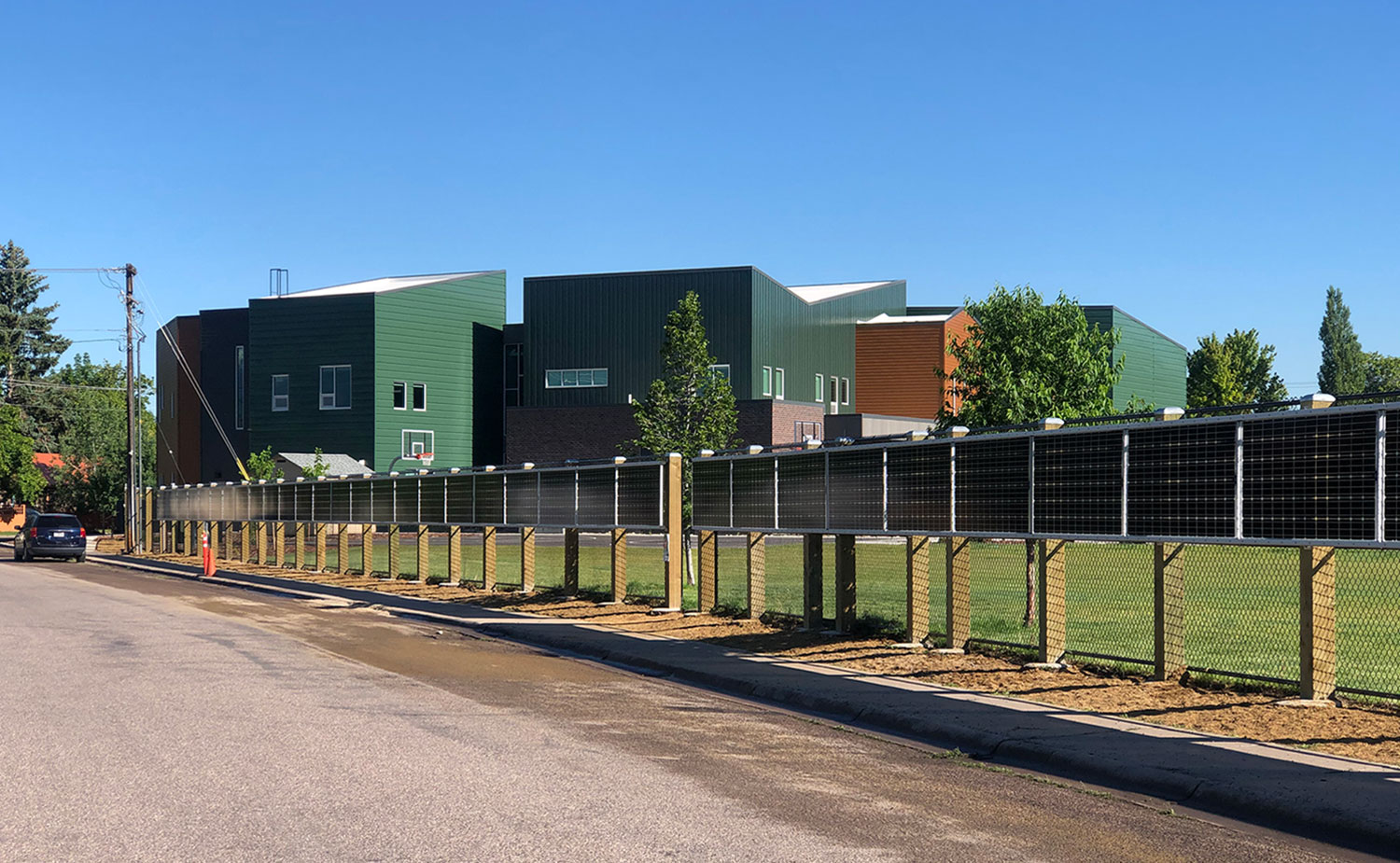

When it comes to multi-building and campus-wide energy solutions, our team works with clients to develop comprehensive energy master plans that provide a roadmap for managing, producing, and consuming energy across a site. When developing energy master plans, we consider solutions for energy efficiency and conservation, reliability and resiliency, the project site and context, alternative energy sources, and the client’s sustainability goals. Plans are actionable, scalable, and align with current and predicted budgets and funding availability.
In addition to energy master plans, we design the systems and infrastructure that support those plans. Two solutions in particular are combined heat and power (CHP) and campus energy districts.
CHP systems use thermal energy created during electricity generation to supply heat and hot water throughout a building or a collection of buildings. In addition to being energy efficient, CHP systems are cost effective with a return on investment in the first 5-10 years, they offer environmental benefits due to a reduction in greenhouse gases, and they are resilient with an off-grid option when needed. In addition to overall CHP design, we provide feasibility analysis, identify alternatives to owning the equipment, and support facility integrations.
Energy districts go even further, serving as a central system that generates and distributes thermal energy — such as steam, hot water, or chilled water — through an underground pipe network to multiple buildings. These systems improve efficiency and sustainability by aggregating heating and cooling loads, often using CHP to provide reliable, cost-effective energy.
With the correlation between indoor air quality and student performance, we know ensuring high-performing HVAC equipment is a top priority for schools.
Using a custom assessment tool, our team will review your current facilities and HVAC systems targeting indoor air quality improvement strategies. The tool analyzes levels of carbon dioxide, fresh air ventilation rates, filtration levels, source contaminant control, and best industry practices to help determine areas for improvement and the right elements to tackle as part of your project. Each assessment is targeted to your school’s unique building needs.
From the assessment data, we’re able to provide specific recommendations based upon upgrade advantages and costs. These recommendations emphasize the greatest utilization of first-cost dollars for maximum long-term benefits for your school district’s indoor air quality needs.
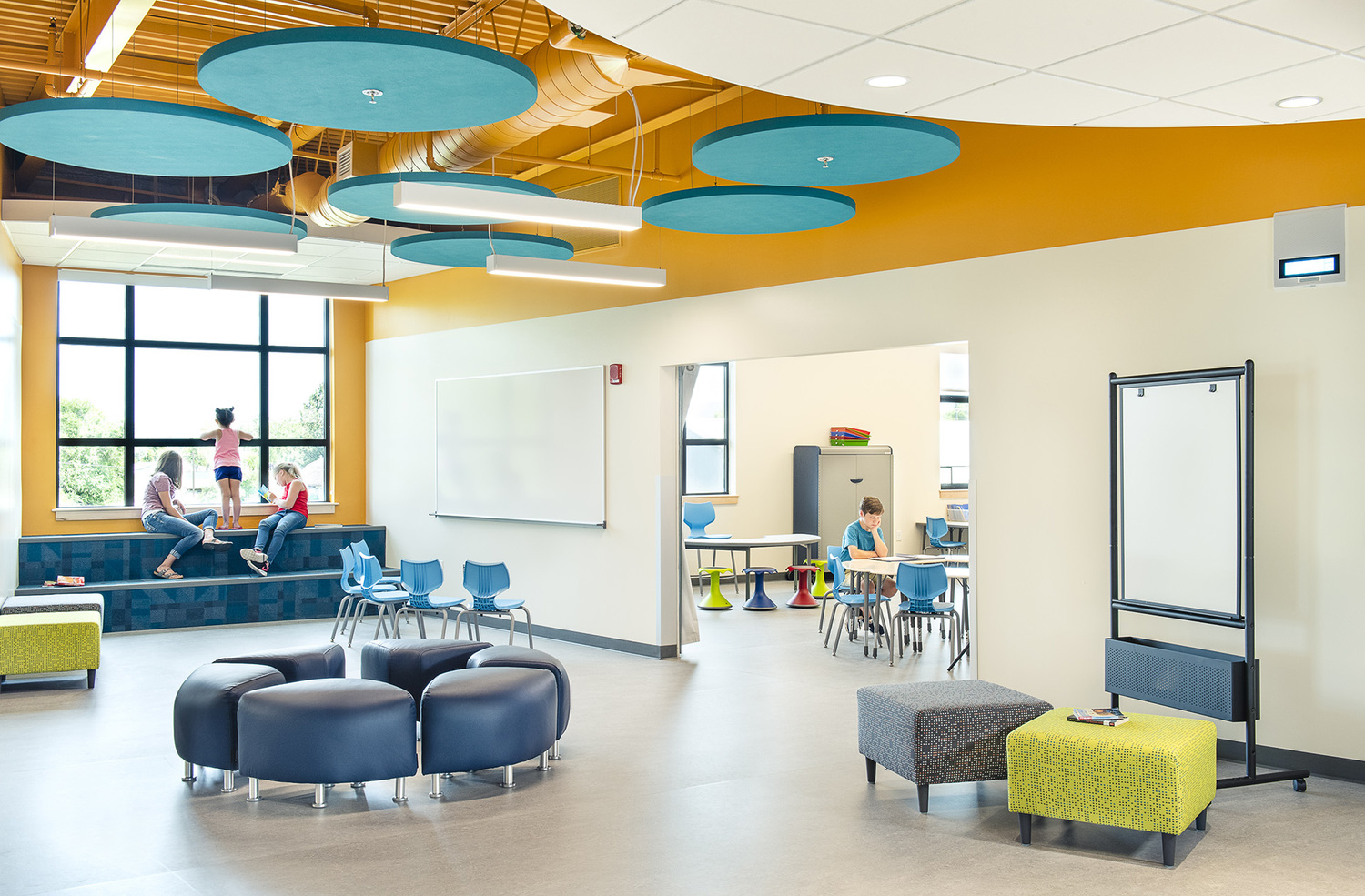
When it comes to lighting design, our team brings the analytics, measurement tools, and expertise needed to ensure you have the right lighting, where and when you need it. Our experts take a holistic approach, reviewing current lighting configurations in existing spaces; assessing recommended lighting levels by application, use, and location; determining the light fixture positions and distribution; and calculating light levels.
Our team is committed to crafting lighting solutions that enhance aesthetics, functionality, productivity, health and wellness, and sustainability. Through innovative design, cutting-edge technology, and a commitment to user satisfaction, our team will work with you to ensure you benefit from lighting solutions that are energy efficient, customizable, and support learning and teaching.
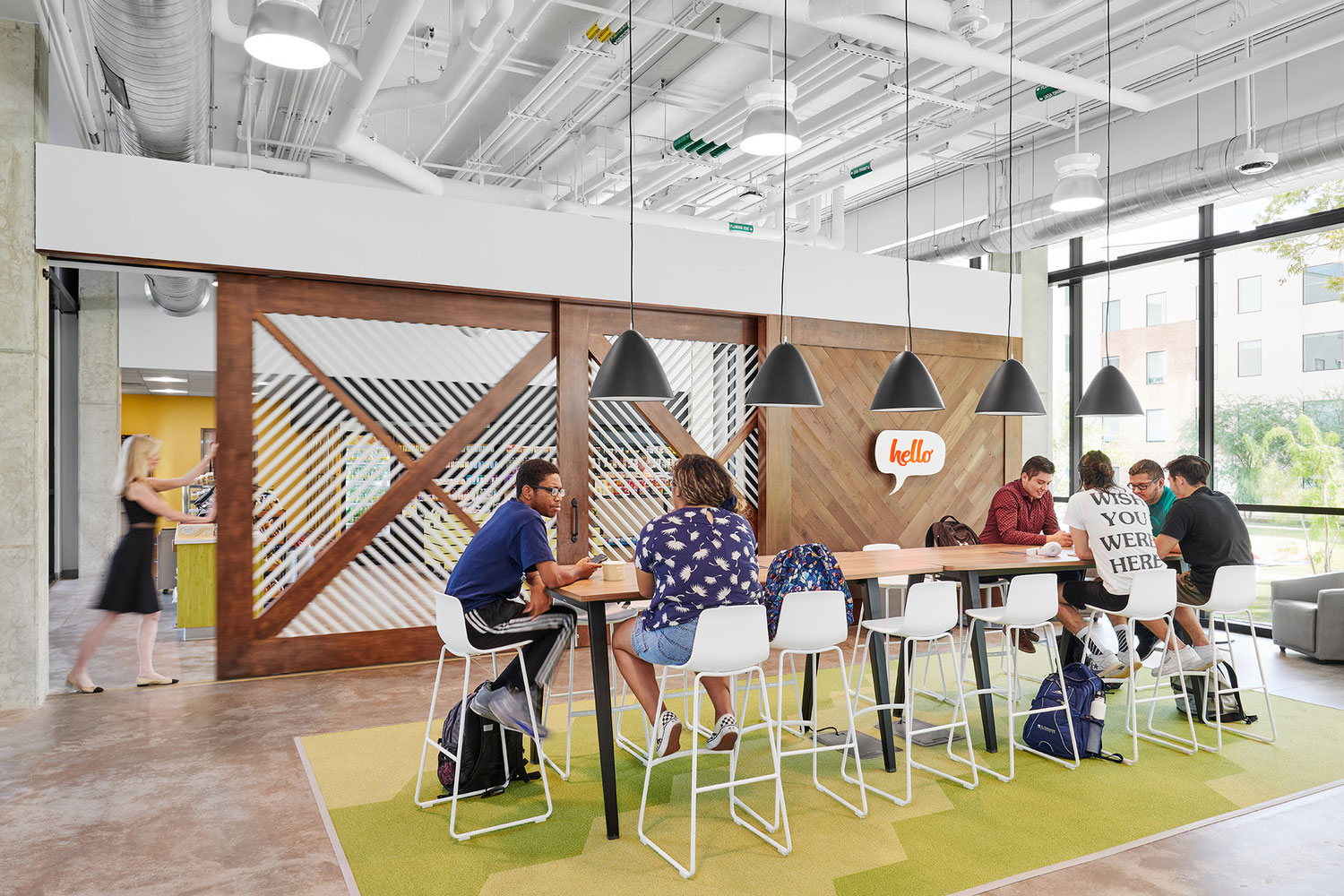

With our team’s expertise in renewable energy systems, microgrids, and battery energy storage, we help schools determine the best backup power solutions to ensure energy resilience. Resilient energy systems keep critical systems such as HVAC, lighting, and refrigeration running during power outages.
Combining solar panels with battery energy storage, for example, allows schools to “island” themselves from the main grid during outages, providing uninterrupted power without the need for generators. This is a clean, carbon-free backup energy source that can provide a couple of hours of backup power.
Combining batteries with traditional generators can provide a longer duration of backup power (potentially days or longer based on fuel supply) along with reducing fuel burn compared to traditional standalone generator systems. These systems then can also use the batteries during normal operation for grid support.
Education Project News and Thought Leadership


Energy Districts and the Power to Move Forward
Decarbonization with Tim Johnson
Project Feature: Montana State University,
Romney Hall
Optimizing energy and building performance for a century-old campus icon.
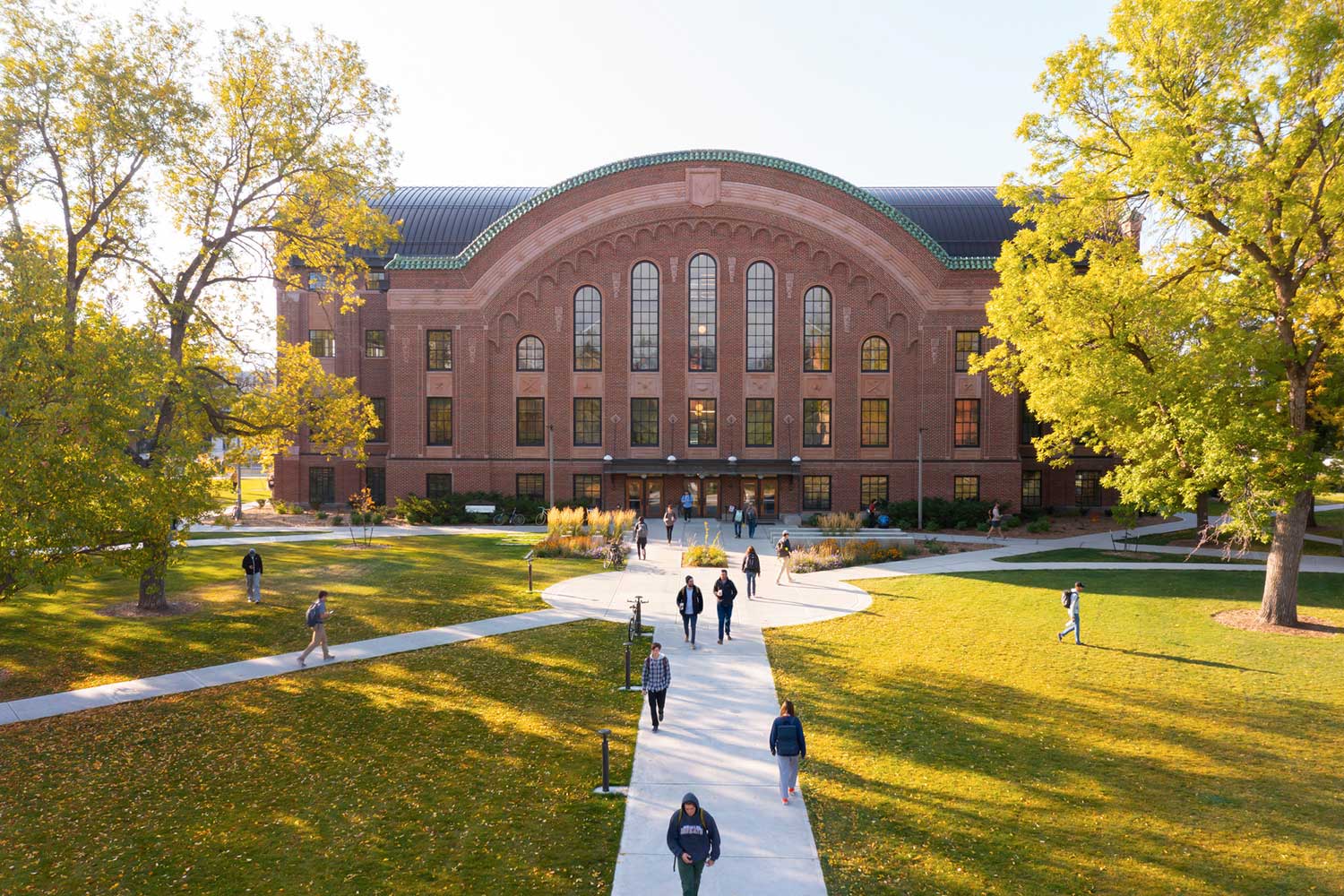
Constructed in 1922, Romney Hall is one of the most noteworthy buildings on Montana State University’s (MSU) campus in Bozeman. Prominently located along Grant Street and adjacent to the open greenspace of the Romney Oval (under which lies a geothermal energy field), this iconic building contributes significant value to the MSU Historic District and is listed on the National Register of Historic Places.
A former physical education building, the renovation and repurposing of Romney Hall endeavored to maintain the historic integrity of the building while making the building fully accessible, updating life-safety systems, optimizing energy efficiency, and creating additional square footage for classrooms.
Guided by computer-based energy modeling, the project modernized the building’s mechanical and electrical systems, maximized energy performance by tying into the site’s existing geothermal system, and employed other creative energy solutions.
One such solution addressed both accessibility and energy performance in the form of a new stair/elevator core addition that replaced an existing stair tower on the south side of the building. Clad in dark-colored perforated mental panel, the elevator core captures solar-heated air, which is then incorporated into the HVAC system, further maximizing the overall efficiency of the system.
The work done improved the building’s energy performance by 40.9%, compared to a building designed to meet minimum code requirements. The first building to be part of MSU’s energy district, Romney Hall is the embodiment of what a university can accomplish in terms of smart energy solutions.


The university’s investment to-date in energy-saving technologies are saving hundreds of thousands of dollars a year and will easily pay for themselves. Working with Cushing Terrell, we hope to leverage those investments and expand upon them to be good stewards of students’ and taxpayers’ dollars.
John How
Montana State University
Associate Vice President of University Services
Following the Romney Hall project, Cushing Terrell, in partnership with McKinstry’s EcoDistrict group, HDR, Major Geothermal, and Practical Energy Management, was brought on to develop a campus-wide energy master plan for the university and identify projects that would support MSU’s goal to design, construct, and maintain buildings on its campus with unprecedented levels of energy efficiency. A large part of the work includes comprehensive energy planning for existing and future buildings, creating energy districts, and leveraging heat pumps and geothermal technology.
The work by Cushing Terrell and partners will assist the university meet its goals of attaining a STARS Platinum rating by 2035 and becoming carbon neutral by 2040, as outlined in the university’s sustainability framework.
You’re in good hands.
Meet our energy services leads.

Tim Johnson
Tim is an associate, mechanical engineer, and co-director of Cushing Terrell’s Sustainability Services Sector. With 20 years of experience, Tim has specialized in providing energy‑efficient solutions through energy analysis and modeling. He skillfully utilizes simulated and measured data to inform design decisions, drive industry trends, and maximize investments. Tim is dedicated to data-driven design that results in improved indoor air quality, reduced energy and carbon emissions, and an enhanced user experience. Tim is a LEED BD+C accredited professional and a Building Energy Modeling Professional.

Alex Russell
Alex is an associate principal, mechanical engineer, Energy Services director, and principal in charge of the firm’s Sustainability Services Sector. Alex leads teams focused on developing efficient, reliable, sustainable, and cost-effective energy solutions for a wide range of project types and sizes — from individual buildings to campus and community-wide energy districts and master plans. With 20 years in his field, he has gained in-depth experience in all facets of energy system and HVAC design, is a LEED BD+C accredited professional, a Green Globes accredited professional, and a Certified Energy Manager.

Nathan Bronec
Nathan is an associate, project manager, and electrical engineer with Cushing Terrell’s Energy Services group. Nathan specializes in energy production modeling, power distribution and generation, alternative energy systems, and battery energy storage. His current work is focused on photovoltaic (PV) projects that range from large-scale solar farms to microgrid systems in remote areas. Nathan is passionate about delivering smart, sustainable, on-site energy generation solutions for a variety of industries, markets, and clients.